



Guided body scan · 19 min
Body Scan Before Sleep
Let your whole body grow heavy and soft, one part at a time, until sleep takes over.
With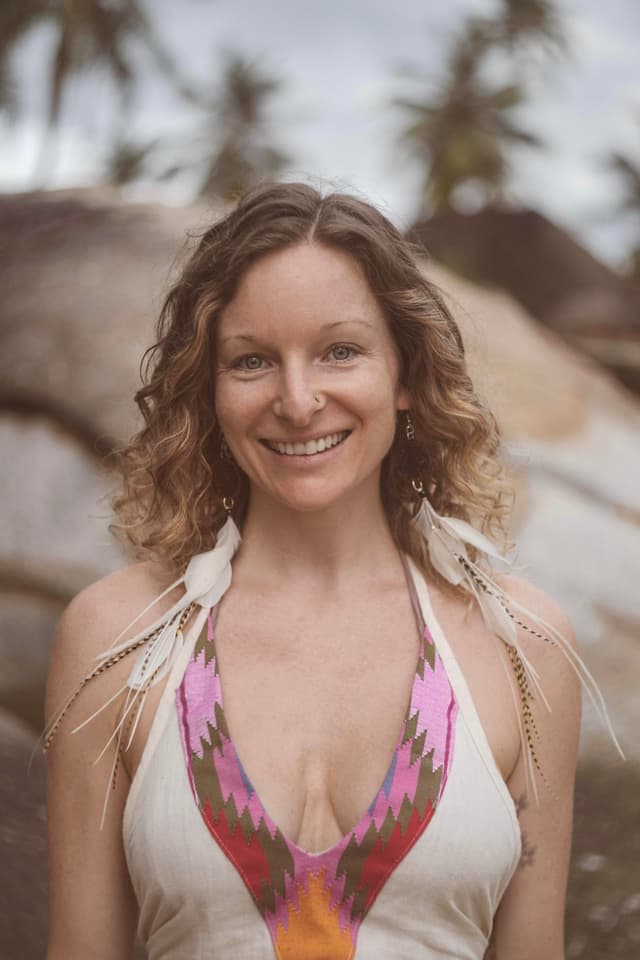 Nalaya ChakanaRated4.723K plays
- Level
- Beginner friendly
- Style
- Guided body scan
- Sound
- Voice only
- Best time
- Bedtime or night waking
About this session
- Eases into sleep
- Relaxes the body
- Releases held tension
- Quiets the mind
Nalaya Chakana opens with three full breaths, filling to the very top and emptying to what she calls pure emptiness. Then your attention travels slowly upward from the feet through legs, belly, back, arms, throat, jaw, ears and eyes, softening each place and pausing at the hands to ask what you might be gripping.
It suits the end of a long day, when your body is still switched on and your head won't settle. It also works if you surface in the small hours and want a gentle way back down. Nothing is asked of you except to lie still, breathe and follow along.
After the session
01
A heavier, softer body
Feel your limbs sink into the bed.
02
A lighter grip
Notice and let go of what you carry.
03
Quiet inner space
Step back from thoughts as you drift.
04
Easier passage to dreams
Arrive at sleep calm and unhurried.
Who it’s for
Yes, if…
- Anyone who lies down tired but feels wired
- People who carry tension in the shoulders, jaw or back
- Those who wake in the night and want to settle again
- Beginners who want simple, steady guidance into sleep
Not now, if…
- Those looking for an energising practice
- People who prefer silent meditation (this is guided)
- Anyone who wants a fast, short wind-down
Questions people ask
Still unsure? Ask your assistant anything about this session.
What is the breathing at the start for?
You take three breaths, in to the top of your breath, the most you can hold, then out slowly to the bottom, which the guide calls pure emptiness. Going from full to empty gives the body a clear signal to slow down before the scan begins.
In what order does the body scan move?
It begins at the feet, then ankles and calves, knees and thighs, hips, belly, lower back and sacrum. From there it moves to the torso and heart, the back and spine, shoulders and arms down to the fingers, then the throat, mouth, jaw, face, ears and eyes.
What happens when the scan reaches the hands?
As you release the palms, you're asked whether there is anything you are holding onto, and whether you can let it go in this moment. It turns the physical softening into a small emotional release, and you then carry on through the wrists, forearms and arms.
Why does it ask about your mouth and your eyes?
At the mouth, you're invited to think about how you speak and whether you speak the way you wish to be spoken to. At the eyes, you ask whether any vision wants to be noticed. Both are gentle questions to hold lightly, not to answer or solve.
What does "remember who you are" mean here?
Near the end the guide repeats it, pointing to something beyond your body, personality and identity. The idea is that whatever changes, there's a part of you, your essence, that simply is. It offers a steady place to rest before sleep.
How does the session end?
There's no sharp finish. Your breath softens, then your body, your mind and everything else are invited to dissolve, and the last words are to soften into your dream. It's made to fade out as you fall asleep.