



Breathwork meditation · 39 min
Embodied Abundance
Start your morning charged, grounded and clear on who you're here to be and what you want to create.
With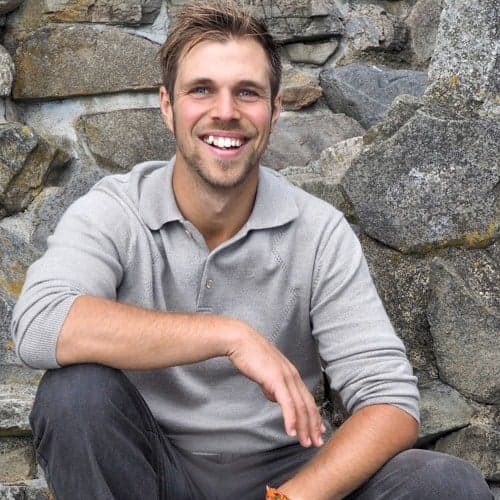 Bradley MorrisRated4.84K plays
- Level
- Some experience helps
- Style
- Breathwork meditation
- Sound
- Voice with chanting
- Best time
- Early morning
About this session
- Boosts morning energy
- Grounds the body
- Clears mental chatter
- Builds abundant mindset
Bradley Morris leads a long, active practice that starts with deliberate breathing, switching between nose and mouth. You picture a glowing sphere rising from the base of your spine to the top of your head, then sinking back, before moving into chakra sounds, a sung mantra and a powerful breath round.
It suits anyone who wants to begin the day awake and rooted, especially if you've been working through the Kowabunga Vision Quest. Set aside unhurried time in the early morning, when you can breathe loudly, chant if you feel moved, and stay with one big question.
After the session
01
Lively, steady energy
Feel your whole body awake and charged.
02
A quieter mind
Let mental chatter settle before the day starts.
03
Gratitude for your growth
Recognise how far you have already come.
04
Clarity on your direction
Leave with a felt answer to who you are.
Who it’s for
Yes, if…
- Anyone who wants an active, energising start to the morning
- People who enjoy breathwork, chanting and energy practices
- Those following the Kowabunga Vision Quest journey
- Anyone ready to reflect on their purpose and what they want to build
Not now, if…
- Those looking for a short, quiet practice
- People who want to wind down or fall asleep
- Anyone who'd rather not chant or breathe audibly
Questions people ask
Still unsure? Ask your assistant anything about this session.
Why does the breathing switch between nose and mouth?
Bradley changes the pattern throughout the opening: in through the mouth and out through the nose, then in and out through the nose, then in through the nose and out through the mouth. Each version is paired with the rising and lowering of the light, so you stay attentive rather than drifting into autopilot. Follow his cues as they come.
What is the ball of light for?
It gives your attention something to follow. You imagine it at the base of your spine, lift it with each inhale to the crown, and lower it with each exhale. Along the way it is linked to cleansing the emotional body, the mental chatter, the energetic body and the physical body. At the end it rests at your root and glows stronger with each breath.
What happens in the long chanting section?
After a short introduction, you bring your awareness to the root chakra and then the heart centre, and the session moves into chakra sounds and a sung mantra. Bradley invites you to sing from a place of divine love and let the mantra become your song. Around the 20 to 27 minute mark, the chanting carries the practice, with little spoken guidance. Afterwards you take deep breaths to absorb the vibrations.
What is the Kowabunga breath, and what if it feels like too much?
It is an energising round of deep breathing near the end, where you pull energy in, pause at the top and exhale, picturing light moving through your cells and into your solar plexus. Bradley says to join in when you feel ready. If it's too much, hold off and simply keep breathing as you are.
What is the question I'm asked to sit with?
While holding your breath at the top, you ask yourself: who am I here to be, and what am I here to create in my life? Then you get about two minutes of quiet to spend with it. Afterwards he guides you to affirm: I'm powerful, I'm clear, I'm connected.
Do I need to have done the Vision Quest first?
Not strictly, but the session refers to it. Bradley says you'll practise tools you've met over the weeks, including the chakra sounds. If you're new, you can still follow the breathing, chanting and closing question, though some parts may feel less familiar.