



Guided meditation · 12 min
Feeling Lost
Sit with your uncertainty tonight and find the quiet trust waiting underneath it.
With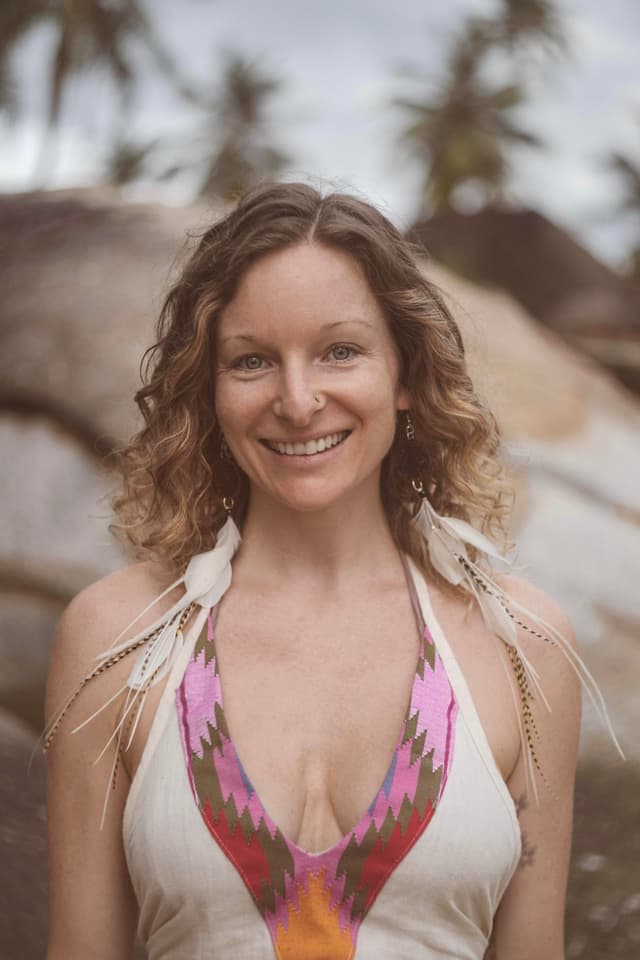 Nalaya ChakanaRated4.74.1K plays
- Level
- Beginner friendly
- Style
- Guided meditation
- Sound
- Voice with long pauses
- Best time
- Evening or bedtime
About this session
- Eases inner confusion
- Builds self-awareness
- Softens resistance
- Deepens inner trust
Nalaya Chakana guides you through a slow body scan from feet to skull, then invites you to turn toward whatever confusion you're carrying. You describe it in abstract, sensory terms, open up to it, and ask one honest question, such as what you're resisting. You finish with your hands resting on your heart.
It suits anyone facing a decision that won't settle, a stretch of questioning who they are, or a day that left them unsure. Because it ends in quiet trust, it works well at night, when the mind tends to circle. Come back to it whenever you need steadiness.
After the session
01
A steadier heart
Feel grounded even while answers are missing.
02
Closer self-understanding
Notice what your confusion is actually made of.
03
Patience with the unknown
Let some things unfold in their own time.
04
A sense of quiet trust
Rest in the feeling that you are guided.
Who it’s for
Yes, if…
- Anyone stuck on a dilemma that keeps circling at night
- People questioning who they are or what they want
- Those who tend to run from uncomfortable feelings
- Anyone wanting a gentle way to build emotional awareness
Not now, if…
- Those looking for an energising practice
- People who prefer silent meditation (this is guided)
- Anyone who would rather avoid spiritual language about divine guidance
Questions people ask
Still unsure? Ask your assistant anything about this session.
Why am I asked to describe the feeling in abstract words?
You're invited to ask where the feeling sits in your body and whether it has a color, a texture or even a flavor. Putting loose, imaginative details on it lets you make contact with the feeling instead of distracting yourself or pushing it away. The meditation says that is often all you need, because discomfort is only uncomfortable when you refuse to go there.
What if no clarity comes during the session?
That is treated as perfectly fine. The guide says some processes can't be forced, and that sometimes the wisest thing to do is wait, observe, listen and be more patient. Clarity is offered as a possibility, not a requirement, so you can simply stay with the feeling.
What kind of question should I ask myself?
Only if you sense some clarity might come, you're invited to ask whatever question arises. Three examples are given: what do I need to let go of, what am I resisting, and what do I need to trust more in this process. Then you pause and listen for a response without hurrying it.
Why does the session begin with a body scan?
The scan moves from your feet and legs up through your belly, chest, back, shoulders, arms, each finger, then your neck, face and head. It settles you into your body before you bring up anything difficult. If you find tension, you only observe it and note how it feels, with no need to change anything.
Who or what are the divine forces mentioned near the end?
The meditation leaves this open. With your hands on your heart, you can connect with your own soul, your higher self, a god or goddess, the great spirit, the universe or the source, whichever feels comfortable. The message that follows is that you are not alone, you are guided, and what you're going through has a purpose.
How can I use the hands-on-heart gesture afterwards?
The closing words offer it as a tool for any time you need support. Place your hands on your heart, close your eyes, connect with that sense of guidance, and ask for a sign or direction. It takes only a moment, so it works well in the middle of a confusing day or just before bed.