



Hypnosis · 59 min
Improve Your Memory
Trust yourself to remember the name, the page, the conversation, because you learn to file it properly the first time.
With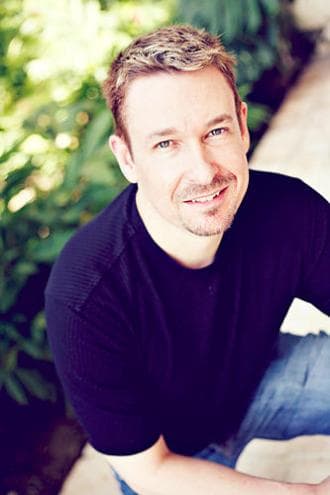 Dr. Steve G. JonesRated4.8
- Level
- Beginner friendly
- Style
- Hypnosis
- Sound
- Voice only
- Best time
- Evening, before sleep
About this session
- Sharpens attention
- Builds recall confidence
- Relaxes body and mind
- Eases into sleep
Dr. Steve G. Jones, a clinical hypnotherapist, starts with slow breaths and a quiet walk along a shoreline, then lets a setting sun lower you through ten counts into deep rest. From there he suggests that memory is a skill of attention, and you rehearse storing and retrieving in silence.
It suits anyone who wants to feel surer of their memory: students, professionals, people who forget names. Use it late in the afternoon or in the evening, when you can lie back undisturbed. It ends with suggestions for sleep, so keep it for night.
After the session
01
Steadier attention
Notice details as they arrive, not afterwards.
02
A tidier mind
Feel information sorted and easy to find.
03
Confidence in recall
Expect names and facts to come when called.
04
A deep, quiet evening
Let go of the day and drift toward sleep.
Who it’s for
Yes, if…
- Students who want to retain what they read
- People who forget names soon after meeting someone
- Professionals who want to feel sharper in conversations
- Anyone winding down in the evening who likes guided hypnosis
Not now, if…
- Those who want a short practice (this runs close to an hour)
- People looking for an energising or daytime session
- Anyone who prefers silent meditation or a lighter touch of guidance
Questions people ask
Still unsure? Ask your assistant anything about this session.
Why does the session spend so long on a beach before it mentions memory?
The first twenty-odd minutes are for relaxing. You breathe slowly, smell the salty air, pick up a pink and white conch shell, lie on a blanket and soften your body from head to toes. Only after the sunset countdown does the voice say you are receptive to suggestions about memory and recall.
What does it mean that memory is the art of paying attention?
The session says remembering begins while something is happening. Whether you are reading, listening or watching, you must be fully present as it comes in. If you give attention at that moment, it is stored properly and easier to find later.
How does the filing cabinet image work?
You picture a memory bank of neatly organised file cabinets with many drawers. When information comes in, you associate it with something, put it in a file and note where the file is. To recall, you remember the cabinet and drawer, open the file, relax and let it drift up. The session compares it to making a withdrawal from a well-stocked bank.
What are the silent practice rounds for?
The voice stops and gives you a scene to rehearse. You read something and file it, then retrieve it. You take in a name or facts in a conversation, then pull them out. You join an activity and then relive it. Each round has a store step and a retrieve step.
What is the name trick it mentions?
It calls it a mnemonic device. You look at the person, in person or in your mind, and link something about how they look with their name. The sequence is focus, look, listen, associate, remember.
Why does it ask you to picture yourself six months and a year ahead?
You imagine recalling something easily, first six months from now and then a year from now, while doing something else at the same time. The aim is to feel how good effortless recall is in your body, mind and emotions. Near the end it also tells you that you needn't remember every passing thought, and that the choice is yours.