



Guided visualization · 11 min
Lucid Dreaming Practice
Rehearse the one question that wakes you up inside tonight's dream, so you can step into it knowing it's a dream.
With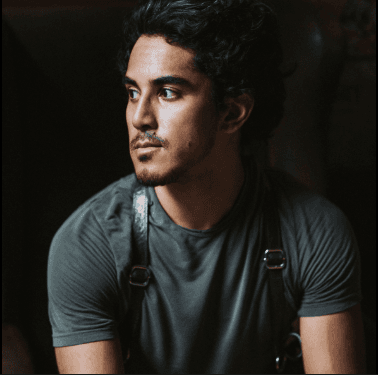 Ruwan MeepagalaRated4.73.1K plays
- Level
- Beginner friendly
- Style
- Guided visualization
- Sound
- Voice only
- Best time
- Within 30 minutes of bed
About this session
- Prepares lucid dreams
- Relaxes before sleep
- Sharpens inner vision
- Builds dream awareness
This is a bedtime rehearsal for lucid dreaming, guided by Ruwan Meepagala. You breathe in a long, slow, sleepy way, then picture your own hands in several imagined places: a summer scene, your childhood bedroom, a meeting with someone you admire, and flying. Each time, you ask, am I dreaming right now?
It's made for the half hour before sleep, and you can do it lying in bed. Use it when you want to be more aware inside your dreams, or when you'd like a gentle, curious way to wind down. It ends by inviting you to drift off, carrying the question into your dreams.
After the session
01
A habit of checking
Make looking at your hands feel automatic.
02
A sleepier body
Settle into slow, deep, nighttime breathing.
03
A livelier imagination
Fill imagined scenes with detail and colour.
04
Playful dream intentions
Go to sleep curious and ready to have fun.
Who it’s for
Yes, if…
- Anyone curious about having lucid dreams
- People who want a purposeful bedtime ritual
- Dreamers who forget to question what's real while dreaming
- Those who enjoy visualizing and using their imagination
Not now, if…
- Those looking for an energising daytime practice
- People who prefer silent meditation (this is guided)
- Anyone who wants to be fully alert after listening, since it's meant for just before sleep
Questions people ask
Still unsure? Ask your assistant anything about this session.
Why look at your hands and ask 'Am I dreaming right now?'
The practice turns this into a reality check. You rehearse looking at your hands in different imagined settings, so that in a dream you'll remember to do the same. The closing instruction is to look at your hands tonight and ask the question, which can help you recognize you're dreaming and become lucid.
What is the sleepy breathing at the start?
You breathe through your nose with long, slow, deep inhales and exhales, imitating how you breathe when asleep. It can sound almost like snoring. If you know ujjayi breath, you can add a slight constriction in the throat. You return to this breathing between every scene.
What is the inner smile for?
You imagine smiling into yourself. Ruwan says inner smiling can encourage the parasympathetic nervous system, helping you relax, and that it encourages your lucid dreams to be fun. It returns briefly near the end too.
Why are there so many different scenes?
Each scene is a fresh place to practise: a warm summer day in a place you choose, your childhood bedroom, a meeting with someone you've always wanted to meet, and flying above where you live. Dreams can put you anywhere, so you practise the check in varied settings. After each one you clear the canvas and come back to your breath.
Why does the session end with your real hands?
At the end you open your eyes, look at what's in front of you, and observe your physical hands, palms, fingers and lines. This gives you a contrast between imagined and real. You ask the question once more, then relax your hands and can drift off to sleep.
When should I do this meditation?
Ruwan suggests doing it within 30 minutes of going to bed, and it can be done lying down in bed. Just before sleep is the point, so the question is fresh in your mind as you drift off.