



Guided meditation · 26 min
Release Ancestral Wounds
Meet the people who shaped you with compassion, and keep only the inheritance you want to pass on.
With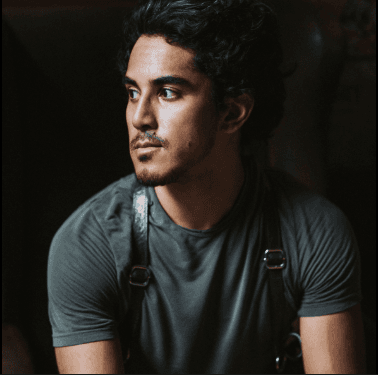 Ruwan MeepagalaRated4.83.2K plays
- Level
- All levels
- Style
- Guided meditation
- Sound
- Voice only
- Best time
- Quiet reflective moments
About this session
- Softens family tension
- Builds compassion
- Relaxes the body
- Honors your lineage
Ruwan Meepagala guides you through a slow body relaxation from crown to feet, then asks you to open your heart like a portal. One by one you call to mind your mother, your father, and their parents, notice what you share with each, and silently offer loving kindness phrases.
It suits anyone who senses they have inherited a habit, fear or reaction they would rather not hand down. Choose a quiet time when you can sit undisturbed, perhaps after a family conversation stirs things up, or whenever you want to feel more at peace with where you come from.
After the session
01
Gentler feelings toward family
See your parents with more understanding and less blame.
02
Clarity about what you carry
Tell inherited gifts apart from habits you'd release.
03
A body at ease
Let go of the day's tension before you begin.
04
A sense of belonging
Feel part of a long line of people.
Who it’s for
Yes, if…
- Anyone who notices a parent's habits showing up in themselves
- People carrying tension or hurt toward a mother or father
- Those who want to feel grateful for their roots
- Anyone seeking a quiet, heart-centered practice for a reflective evening
Not now, if…
- Those looking for a short, quick practice
- People who want an energising or motivating session
- Anyone who prefers silent meditation, since this is guided throughout
Questions people ask
Still unsure? Ask your assistant anything about this session.
What if I can't picture my parents or grandparents clearly?
The meditation says to do your best to tap into their essence instead. If it helps, you can recall a voice or a smell. It also says whatever comes to mind is correct, so there is no wrong way to do it.
What if a different person appears than the one I was asked to picture?
You are invited to trust that your unconscious mind is showing you the right image, and to carry on with the meditation. You don't need to force the intended person back into view.
What are the phrases I repeat in my mind?
They begin with yourself: may I be well and happy, free of pain and suffering, free of anger and sadness, at peace, full of gratitude, able to forgive and let go. The same words are then offered to your mother, father, each pair of grandparents, and finally your whole lineage, where they become 'may we'.
Why does it reflect on how my parents may have caused pain?
For both your mother and your father, the guide suggests that any pain they caused came from their own pain, and that they likely passed it on because they didn't know better. You aren't asked to excuse anything or judge it. You simply breathe and notice what arises in your heart.
What does 'carry on the gifts, release our collective wounds' mean?
Near the end you repeat these lines while picturing the roots of your family tree. The idea is that your lineage gave you both virtues and wounds, and you can choose to keep what serves you. That way you can better serve those who come after you.
Why are the hands on the heart and belly at the end?
It is an optional gesture offered once the love has been sent to your whole lineage. It gives you something physical to settle into as you observe the feeling in your heart. The session then closes with a moment of stillness before you open your eyes.