Loading…



Teacher · Ziva Meditation
Founder of Ziva Meditation
Emily is the founder of Ziva Meditation and the host of the spine-tingling new podcast, Why Isn’t Everyone Doing This? (link.chtbl.com/whythis).
We meditate to get good at life, not to get good at meditation.
Ratings and plays from Mindvalley’s library
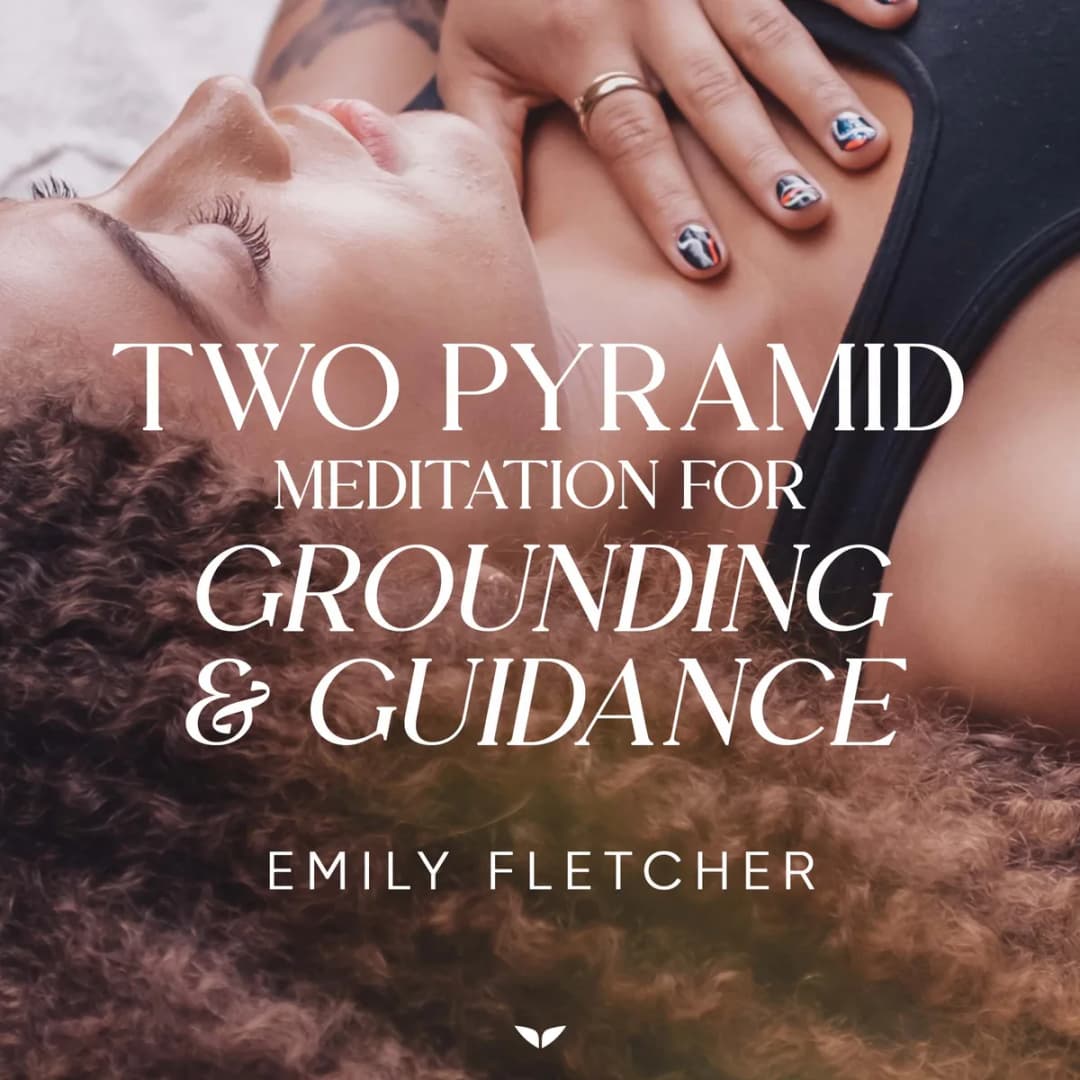
Two Pyramid Meditation for Grounding and Guidance
You visualize two interconnected pyramids—one extending from your heart deep into the earth's core, the other reaching upward into the cosmos—to simultaneously ground yourself and open to divine guidance. Through circular breathing and gentle visualization of golden light and energetic cords, you release what weighs on you while drawing up strength from the planet. This meditation works best in the early morning when you want to feel rooted, centered, and receptive to inner wisdom.
You visualize someone who has hurt you sitting in front of you, recall the event, then imagine them at different life stages to build compassion and understanding. The practice helps you release anger and reclaim your emotional energy, making it easier to forgive yourself, others, or even public figures. Best used when you're ready to let go of resentment and want to move forward with greater emotional freedom.
Ease Anxiety & Boost Your Immunity
You practice two breathing techniques to calm your nervous system and process emotions. First, rapid nose breathing like a puppy gradually slows into a gentle two-to-one exhale ratio that activates your vagus nerve. Then you check in with your body, allow yourself to feel anxiety and worry without judgment, and visualize a peaceful future, building resilience and immune function through this combination of breathwork and emotional release.
Blissify Your Body with Affirmations
You listen to affirmations about gratitude for your body and its abilities, repeating them silently or aloud as they're spoken. The practice helps you shift toward appreciation for your physical self, cultivate self-love, and internalize beliefs about your body's strength and resilience. It works best in the morning, during quiet moments, or whenever you need a reminder of your worth.
Emily Fletcher
You visualize two interconnected pyramids—one extending from your heart deep into the earth's core, the other reaching upward into the cosmos—to simultaneously ground yourself and open to divine guidance. Through circular breathing and gentle visualization of golden light and energetic cords, you release what weighs on you while drawing up strength from the planet. This meditation works best in the early morning when you want to feel rooted, centered, and receptive to inner wisdom.
Emily Fletcher
You visualize someone who has hurt you sitting in front of you, recall the event, then imagine them at different life stages to build compassion and understanding. The practice helps you release anger and reclaim your emotional energy, making it easier to forgive yourself, others, or even public figures. Best used when you're ready to let go of resentment and want to move forward with greater emotional freedom.
Emily Fletcher
You practice two breathing techniques to calm your nervous system and process emotions. First, rapid nose breathing like a puppy gradually slows into a gentle two-to-one exhale ratio that activates your vagus nerve. Then you check in with your body, allow yourself to feel anxiety and worry without judgment, and visualize a peaceful future, building resilience and immune function through this combination of breathwork and emotional release.
Emily Fletcher
You listen to affirmations about gratitude for your body and its abilities, repeating them silently or aloud as they're spoken. The practice helps you shift toward appreciation for your physical self, cultivate self-love, and internalize beliefs about your body's strength and resilience. It works best in the morning, during quiet moments, or whenever you need a reminder of your worth.
Emily Fletcher
You sound through the vowel "ah" while bringing awareness to each of your seven energy centers—root, sacral, solar plexus, heart, throat, third eye, and crown—imagining associated colors as you tone. The practice helps align these centers with each other and integrate spiritual connection into your physical body, making you feel more coherent and open to divine guidance.
Emily Fletcher
You'll practice breathing techniques including the "two by four" breath—inhaling for a count and exhaling for twice as long—followed by silent repetition of the word "one" as an anchor for your mind. This meditation calms your nervous system and allows your body deep rest during flight, helping you arrive refreshed and less affected by travel anxiety. It works best during takeoff and landing when you can't use other distractions.
Emily Fletcher
You lie in bed with low lights and scan your body from head to toe, noticing physical sensations without trying to change them. You breathe gently into whatever sensation you find, letting it soften as you exhale, then repeat the process. This helps calm your nervous system and prepare your body for sleep by giving your mind something gentle to focus on instead of racing thoughts.
Emily Fletcher
You sit comfortably and use a slow breathing technique to ground yourself, then scan your body from head to toe, noticing physical sensations without judgment. Rather than trying to suppress pain, you listen to what it's communicating, allowing tension to soften as you bring awareness to each area. This approach helps reduce pain intensity by closing the feedback loop between brain and body through mindful acceptance.
Emily Fletcher
You learn a extended exhale breathing technique that activates your vagus nerve to shift from stress to calm, then move into a gentle surrender practice using the mantra "let go." Finally, you work through reflective questions designed to release emotional charges tied to stress and control. Best used in the evening or when feeling overwhelmed to reset your nervous system and return to the present moment.
Emily Fletcher
This guided visualization helps you process the pain of a breakup by moving through your emotions rather than avoiding them. Through breathing, gentle chest tapping, and reflection on what you've learned, you work toward reclaiming your sense of self and recognizing that relationships are opportunities for growth. It's best used when you're ready to sit with difficult feelings and begin healing.
Emily Fletcher
You engage all five senses with a meal in front of you—observing its colors and presentation, smelling it, listening to any sounds it makes, chewing slowly and noticing flavors and textures, and feeling warmth and fullness. This practice builds awareness around eating, helping you eat more slowly and feel satisfied with less food. It works best in the morning or early morning before meals begin your day.
Emily Fletcher
When life feels overwhelming, this meditation invites you to fully acknowledge and feel your frustration and worry rather than suppress them. By leaning into these emotions and asking probing questions, you release the emotional charge and shift from "What is wrong?" to "What would I love?" The practice helps you access clarity and trust in your direction, making it useful when you're stuck in overwhelm or need to reconnect with what matters to you.